
Oklahoma City Housing Affordability and the 7-Year Wait
June 15, 2026
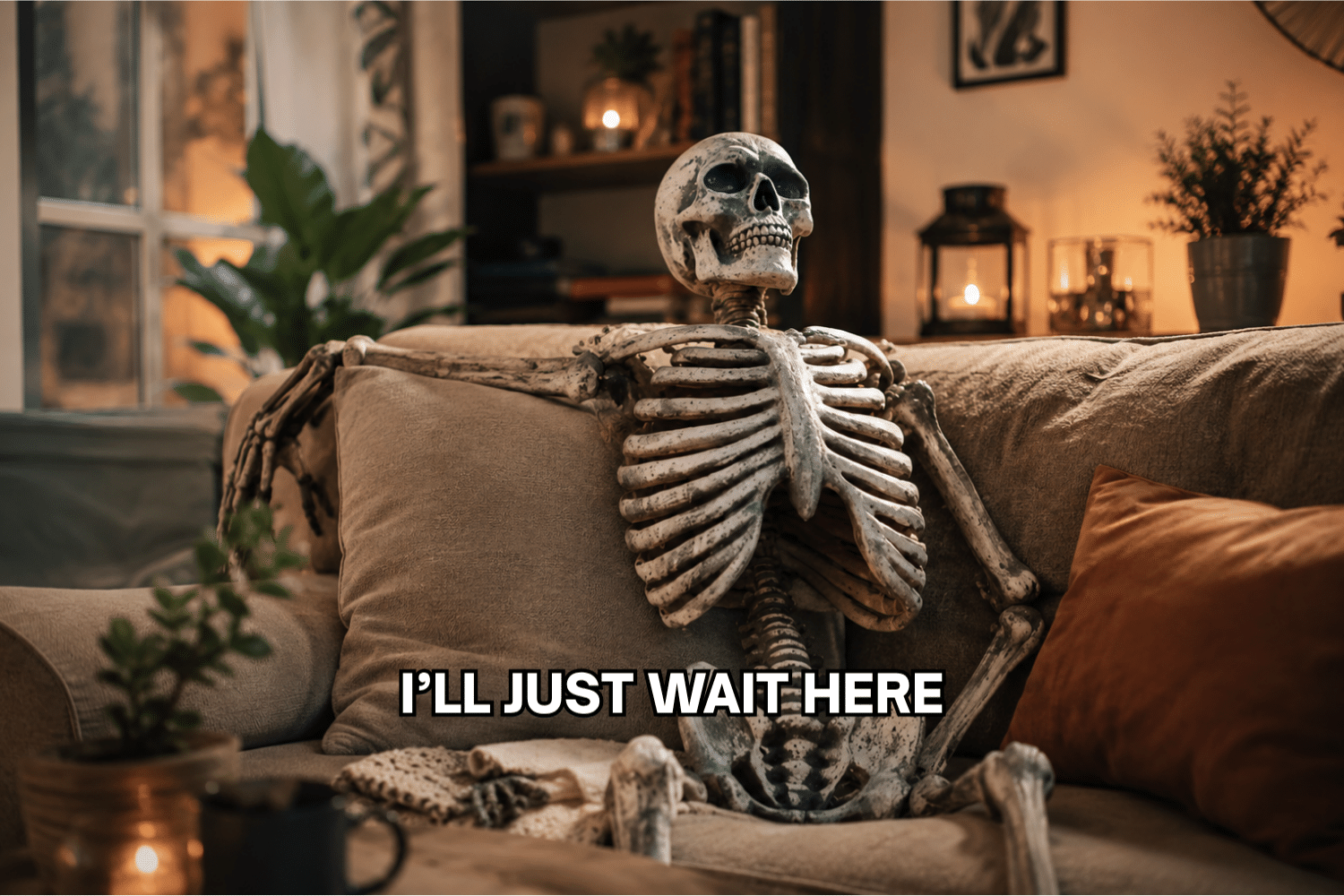
New research from Oxford Economics suggests Oklahoma City housing affordability won’t meaningfully improve for at least seven years, a timeline that matters for anyone weighing whether to buy now or keep waiting for prices to come down. The research points to a more realistic recovery timeline closer to 2033, and that gap is worth understanding before making a decision. Here’s what’s behind the projection, and what waiting tends to cost in the meantime.
What “Housing Affordability” Actually Means
When people talk about waiting for housing to become more affordable, they’re usually picturing lower prices. But price is only one part of the equation.
Affordability comes down to three things moving together: home prices, mortgage rates, and household income. For monthly costs to genuinely ease, all three need to shift in a buyer’s favor at the same time.
That’s a harder combination than it sounds. Prices can flatten while rates stay high, and a buyer’s payment barely changes. Or rates can drop while increased demand pushes prices back up, landing the monthly cost in roughly the same place. Oxford Economics’ projection accounts for how these pieces interact, and what it would actually take for typical housing costs to line up with what a typical household can afford.
What the New Research Is Projecting
Published in June 2026, the Oxford Economics report projects that housing affordability won’t see meaningful, broad-based improvement for at least seven years, putting a realistic recovery somewhere around 2033.
Oxford Economics is one of the more widely cited economic research firms globally, with modeling used by governments and financial institutions. A seven-year projection from a group like that isn’t a casual guess; it reflects what would need to happen across prices, rates, and incomes for the gap to close.
Reaching that point would require real price corrections, sustained rate decreases, and meaningful income growth, occurring together over a sustained period. Researchers don’t see those conditions lining up on a shorter timeline.
Locally, Oklahoma City and Edmond have generally held onto more affordable price points than many comparable metros, which has helped cushion some of the national pressure. But the same forces behind this projection – elevated rates, tight inventory in certain price ranges, and rising costs like property insurance – are showing up here too, even if the scale looks different than in higher-cost markets.
The Real Cost of Waiting
Waiting can feel like a neutral choice, like pressing pause until conditions improve. But two things keep moving during that pause.
The first is equity. Every mortgage payment a homeowner makes puts a portion toward ownership in the property. The second is rent, which doesn’t build any ownership stake and has continued trending upward in many markets, including parts of the OKC metro.
There’s also a timing wrinkle worth understanding. If mortgage rates fall significantly before 2033, more buyers are likely to re-enter the market at the same time. In a metro like Oklahoma City, where inventory in popular price ranges and school districts is already limited, increased demand tends to push prices higher. The result can be a monthly payment that doesn’t actually drop much, even with a lower rate, because the purchase price moved to absorb the difference.
None of this means waiting is the wrong call for every household. It just means the “wait it out” approach has real costs attached to it, and those costs are worth seeing clearly.
Putting the Oklahoma City Housing Affordability Picture in Context
The seven-year projection is one data point, not a verdict. It’s useful as a way to size up how long current conditions might realistically persist, and to weigh that against what continuing to rent or wait actually costs over the same stretch.
For anyone in Oklahoma City or Edmond who has been holding off, that comparison – the cost of waiting versus the cost of buying now, run against your own numbers – tends to be more useful than watching national headlines for a turning point. The full picture, including your specific budget, timeline, and local market conditions, is what actually drives a sound decision either way.

Luxury Specialist at McGraw Realtors
Bill Wilson has helped buyers and sellers throughout the Oklahoma City metro since 1995. A former U.S. Air Force fighter pilot and business owner, he brings a disciplined, practical approach to real estate. Bill works alongside his daughter, Heather Wall, helping clients navigate luxury, move-up, and distinctive properties across Oklahoma City, Edmond, and surrounding communities.