
How Buyers Evaluate Homes in 2026
February 13, 2026
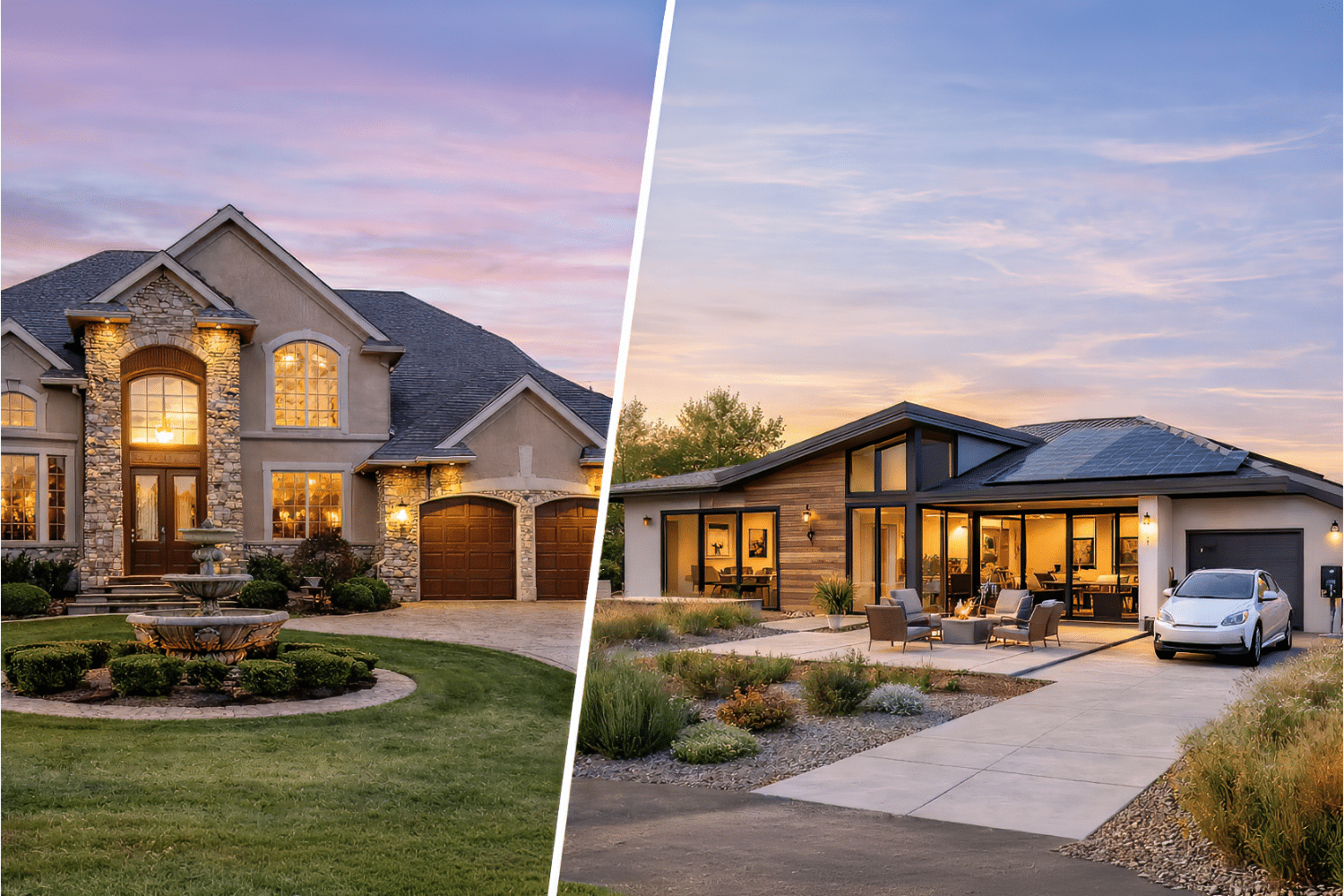
If you’re planning to sell in 2026, it’s important to understand that buyers are evaluating homes differently than they did a decade ago. Priorities have shifted toward livability, efficiency, and long-term costs, and that directly affects pricing and preparation decisions. This post outlines what that change means for homeowners considering a move.
Buyers are evaluating homes differently than they were 10 or 20 years ago.
If you’re planning to sell in 2026, understanding that shift matters. What once signaled value — bigger rooms, grand entries, strictly neutral finishes — doesn’t automatically carry the same weight today.
After reviewing two decades of listing data, one consistent theme stands out: buyers are placing more importance on livability, flexibility, and long-term costs than on sheer size.
That change is reshaping how homes are judged, both online and in person.
Why Size Isn’t the Automatic Advantage It Used to Be
There was a period when square footage felt like the safest way to justify price. Larger homes with formal dining rooms and two-story foyers defined an era.
Today, the math feels different.
Bigger homes often mean:
- Higher utility bills
- Higher insurance costs
- More maintenance
- More unused space
In markets like Oklahoma City and Edmond, where property taxes are generally reasonable compared to coastal markets, insurance and energy costs still influence buyer decisions. When buyers walk through a large-volume space, they’re not just admiring it — they’re calculating.
They’re asking:
- What will this cost to heat and cool in August?
- Will the layout actually work for everyday life?
- Are we paying for rooms we’ll rarely use?
For many households, a well-designed 2,400-square-foot home that feels efficient and purposeful connects more strongly than 3,800 square feet that feels impressive but impractical.
The conversation has shifted from “How big is it?” to “How does it live?”
Layout Matters More Than Formality
Inside the home, buyers are weighing usability over tradition.
Formal spaces designed for occasional entertaining are less compelling than rooms that serve daily routines. The ideal layout today tends to include:
- Open areas where the family naturally gathers
- Separation where quiet or privacy matters
- Defined nooks or flexible spaces for work and downtime
Interestingly, listings increasingly highlight reading nooks and small flex areas — a reflection of how people actually use their homes now.
After several years of remote work and more time spent at home, buyers notice whether there’s a place to take a call, focus, or decompress. They aren’t just picturing holidays. They’re picturing Tuesday afternoons.
Finishes: Safe Isn’t Always Strategic
For years, sellers were told to neutralize everything before listing. White walls, beige tones, minimal personality.
That advice isn’t universally wrong — but it isn’t universally right either.
Recent listing trends show buyers responding positively to richer, more intentional color choices. Deeper shades like olive, navy, and charcoal have gained traction. They feel grounded and deliberate rather than temporary.
The takeaway isn’t to follow every design trend. It’s to avoid stripping a home of character simply out of fear.
In higher-end neighborhoods around OKC, especially in established communities, buyers often appreciate thoughtful design that feels finished — not generic.
What “Upgrades” Mean Now
Upgrades used to be about visible finishes: countertops, fixtures, hardware.
Those still matter. But increasingly, buyers are focused on systems and long-term performance.
Features gaining attention include:
- Energy-efficient construction
- Whole-home battery systems
- EV charging setups
- Improved insulation and climate resilience
- Wellness-focused bathroom designs
During showings, the questions tend to sound like this:
- How efficient is this home compared to others nearby?
- What do utility bills typically run?
- Is it prepared for electric vehicles?
- Will these features reduce long-term risk or insurance exposure?
In other words, buyers are evaluating risk and predictability alongside aesthetics.
Homes that demonstrate efficiency and adaptability often feel more secure — and security carries value.
From Status Symbol to Practical Sanctuary
Over the past twenty years, the meaning of “dream home” has quietly evolved.
Homes are less about projecting scale and more about supporting everyday life. Buyers are thinking about flexibility: how the house adapts to changing family needs, shifting work patterns, and rising operating costs.
The homes that resonate most aren’t necessarily the flashiest. They feel intuitive. Comfortable. Sustainable over time.
For sellers, the implication is straightforward:
Presentation still matters. Condition still matters. Pricing still matters.
But the strongest positioning today highlights how the home functions — not just how it photographs.
Understanding that difference can shape everything from listing preparation to pricing strategy.

Luxury Specialist at McGraw Realtors
Bill Wilson has helped buyers and sellers throughout the Oklahoma City metro since 1995. A former U.S. Air Force fighter pilot and business owner, he brings a disciplined, practical approach to real estate. Bill works alongside his daughter, Heather Wall, helping clients navigate luxury, move-up, and distinctive properties across Oklahoma City, Edmond, and surrounding communities.